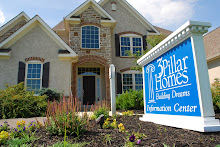
The Sales and Marketing Council of the Columbus Divisions of the Building Industry Association (BIA) announced the winners of the 21st Annual Marketing and Merchandising Excellence Awards on May 9th, 2008 at the Bridgewater Conference Center in Powell, Ohio. 3 Pillar Homes is excited to announce that they received two MAME Awards.
*Best Logo by a Builder
*Best Newsletter by a Builder
The MAME Awards were created to honor the top achievers in the new home industry. The awards recognize sales and marketing achievements among Realtors, Interior Designers, Architects, Landscapers, Suppliers, Remodelers, Builders and More!
Tuesday, May 13, 2008
Friday, May 9, 2008
Finishing Touches
Regardless of a home's size or style, all construction follows a consistent pattern and pace. Excavation and foundation work will be followed by the framing phase, which will be followed by rough mechanical, electrical and plumbing work. As soon as those stages are complete, insulation will be installed. These steps follow each other quickly and are easy to see. The progress is exciting!
But when our crews and subcontractors begin to focus on the interior finishes of your new home, the pace seems to slow down and daily progress is more difficult to follow. To the homeowner, it might seem that we are losing focus or paying less attention to the project. In fact, the opposite is true. The apparent pace of work has slowed because finishing work is much more detailed than the previous stages. We must be more focused and pay more attention to the finishing details.
For example, cutting, building, and fastening the pieces of a complex crown molding profile along the ceiling-wall joint of an upscale kitchen requires several hours of painstaking work by a skilled finish carpenter. Likewise, finishing newly built walls to a smooth, uniform surface is a process that takes multiple cycles of application, drying, sanding, and cleaning to accomplish properly.
There also are more products to install. The number of cabinets, faucets, light fixtures, door handles, and outlet and switch covers in a modern new house continues to increase as homes become larger and more luxurious. To get some sense of that task, count the number of outlets and switch covers in your kitchen and family room alone (or in the whole house, if you're more ambitious), each of which must be installed by hand before you can move in.
Finally, finish work signals the last stage of the building process. Both we and our homeowners are anxious to finish the job after several weeks of anticipation and hard work, not counting the time spent planning before construction began. It is hard for homeowners to remain patient when the work appears to be moving slowly.
By the very nature of its exacting, hand-applied work, the finishing phase of homebuilding is necessarily slow. That does not mean that the work is being neglected! During this final part of your home construction, remember that we remain focused on the highest quality installation and application of your home's interior finishes.
Warm regards,
Zenios Michael Zenios
3 Pillar Homes
But when our crews and subcontractors begin to focus on the interior finishes of your new home, the pace seems to slow down and daily progress is more difficult to follow. To the homeowner, it might seem that we are losing focus or paying less attention to the project. In fact, the opposite is true. The apparent pace of work has slowed because finishing work is much more detailed than the previous stages. We must be more focused and pay more attention to the finishing details.
For example, cutting, building, and fastening the pieces of a complex crown molding profile along the ceiling-wall joint of an upscale kitchen requires several hours of painstaking work by a skilled finish carpenter. Likewise, finishing newly built walls to a smooth, uniform surface is a process that takes multiple cycles of application, drying, sanding, and cleaning to accomplish properly.
There also are more products to install. The number of cabinets, faucets, light fixtures, door handles, and outlet and switch covers in a modern new house continues to increase as homes become larger and more luxurious. To get some sense of that task, count the number of outlets and switch covers in your kitchen and family room alone (or in the whole house, if you're more ambitious), each of which must be installed by hand before you can move in.
Finally, finish work signals the last stage of the building process. Both we and our homeowners are anxious to finish the job after several weeks of anticipation and hard work, not counting the time spent planning before construction began. It is hard for homeowners to remain patient when the work appears to be moving slowly.
By the very nature of its exacting, hand-applied work, the finishing phase of homebuilding is necessarily slow. That does not mean that the work is being neglected! During this final part of your home construction, remember that we remain focused on the highest quality installation and application of your home's interior finishes.
Warm regards,
Zenios Michael Zenios
3 Pillar Homes

Tuesday, March 18, 2008
Green Buliding: Windows, Doors and Skylights
Energy efficiency plays a central role in building any new home. Building a "green" home, however, requires energy efficiency and much more. "Green building" means taking a comprehensive approach to energy and resource efficiencies from design through construction and operation of the house. Certain components of a home's construction contribute greatly to the success of such an approach.
Windows, doors, and skylights, in particular, have a critical impact on a home's ability to conserve energy, reduce moisture intrusion, and keep utility costs low. Like the vent pipes in a roof, they are penetrations in the home's structural envelope, only much larger and more widely distributed.
The average new house, in fact, has more than 20 windows and doors, each a potential avenue for outside air and water. In the past, windows and doors were not much better than open holes in the wall. They were designed to bring useable daylight into the home, provide views to the outside, and allow passive (or non-mechanical) ventilation in warm and humid climates. In order to keep their homes reasonably comfortable in cold seasons, our ancestors kept windows and doors to a minimum.
Fortunately, today's windows and doors are designed to enhance a home's energy performance. Though still relied upon for passive ventilation and views, windows and glass doors are now insulated in both their frame and glass design. High tech window construction and specially treated glass can reduce glare, unwanted solar heat gain and damaging ultraviolet radiation, which can fade rugs and upholstery. Windows and skylights can also be designed to increase passive (free!) solar heating, reducing the amount of costly energy needed by the furnace.
Energy-conscious home owners can now choose among a variety of options in order to precisely match windows and doors to the seasonal climate conditions of their home's location. To optimize the overall thermal performance of the house, windows and doors can also be selected according to which side of the house they will be installed. For example, south and west-facing windows can let in more solar energy than north and east-facing windows.
In addition to enhanced glazing options, new wood-based window and door frame materials are engineered to resist warping, thus minimizing the small gaps between the window or door and the wall that may develop over time. In better quality vinyl window and glass door frames, the hollow cavities are increasingly insulated to boost their effectiveness.
As professional builders concerned about the performance of your new home, we take care to select the best windows and doors for your new home. We also take care to find knowledgeable suppliers and trained subcontractors to ensure not only high quality products but also proper installation that will maintain the design performance values of the window and door products used.
Windows, doors, and skylights play an important role in any home's appearance and overall performance. In a green-built home, they are critical elements in a range of integrated design and construction approaches that help reduce a home's energy use and operating costs while increasing indoor comfort and air quality.
Windows, doors, and skylights, in particular, have a critical impact on a home's ability to conserve energy, reduce moisture intrusion, and keep utility costs low. Like the vent pipes in a roof, they are penetrations in the home's structural envelope, only much larger and more widely distributed.
The average new house, in fact, has more than 20 windows and doors, each a potential avenue for outside air and water. In the past, windows and doors were not much better than open holes in the wall. They were designed to bring useable daylight into the home, provide views to the outside, and allow passive (or non-mechanical) ventilation in warm and humid climates. In order to keep their homes reasonably comfortable in cold seasons, our ancestors kept windows and doors to a minimum.
Fortunately, today's windows and doors are designed to enhance a home's energy performance. Though still relied upon for passive ventilation and views, windows and glass doors are now insulated in both their frame and glass design. High tech window construction and specially treated glass can reduce glare, unwanted solar heat gain and damaging ultraviolet radiation, which can fade rugs and upholstery. Windows and skylights can also be designed to increase passive (free!) solar heating, reducing the amount of costly energy needed by the furnace.
Energy-conscious home owners can now choose among a variety of options in order to precisely match windows and doors to the seasonal climate conditions of their home's location. To optimize the overall thermal performance of the house, windows and doors can also be selected according to which side of the house they will be installed. For example, south and west-facing windows can let in more solar energy than north and east-facing windows.
In addition to enhanced glazing options, new wood-based window and door frame materials are engineered to resist warping, thus minimizing the small gaps between the window or door and the wall that may develop over time. In better quality vinyl window and glass door frames, the hollow cavities are increasingly insulated to boost their effectiveness.
As professional builders concerned about the performance of your new home, we take care to select the best windows and doors for your new home. We also take care to find knowledgeable suppliers and trained subcontractors to ensure not only high quality products but also proper installation that will maintain the design performance values of the window and door products used.
Windows, doors, and skylights play an important role in any home's appearance and overall performance. In a green-built home, they are critical elements in a range of integrated design and construction approaches that help reduce a home's energy use and operating costs while increasing indoor comfort and air quality.
Monday, March 17, 2008
Top 25 Home Builders of Central Ohio-2008
We are proud to announce that 3 Pillar Homes has been named to the Top 25 Homebuilders of Central Ohio, by Business First, for the 4th year in a row!
"We are proud of our company and staff to be able to maintain our high rankings within Central Ohio. Special thanks to my staff and our referral base that made this possible and worthy."
~Zenios Michael Zenios
"We are proud of our company and staff to be able to maintain our high rankings within Central Ohio. Special thanks to my staff and our referral base that made this possible and worthy."
~Zenios Michael Zenios
Friday, March 7, 2008
Zenios Michael Zenios named BIA Builder Vice President
The Board of Trustees of the Building Industry Association of Central Ohio is the governing body of the Association and directs its affairs in a customary manner in accordance with the bylaws.
The Board consists of a total of 17 members, with a combination of Builder and Associate members, as well as the Executive Director of the Association. The President, Senior Vice President, Builder Vice President and Immediate Past President of the Board must all be Builder members. The Associate Vice President is an Associate member. The Secretary and Treasurer of the Board can be either Builder or Associate members. Each office has a one-year term.
The Board is comprised of a unique group of individuals from diverse backgrounds, and each person brings their own expertise and talent to the table. The Board members are all volunteers, and they invest a great deal of time and energy into the betterment of BIA members' working and personal environments.
It is through their generosity that the BIA continues to become a more pivotal Association in the city and the state. Their time, effort and dedication to the Association are greatly appreciated.
Thank you to each and every Board member.
Builder Vice President Zenios Michael Zenios3 Pillar Homes
The Board consists of a total of 17 members, with a combination of Builder and Associate members, as well as the Executive Director of the Association. The President, Senior Vice President, Builder Vice President and Immediate Past President of the Board must all be Builder members. The Associate Vice President is an Associate member. The Secretary and Treasurer of the Board can be either Builder or Associate members. Each office has a one-year term.
The Board is comprised of a unique group of individuals from diverse backgrounds, and each person brings their own expertise and talent to the table. The Board members are all volunteers, and they invest a great deal of time and energy into the betterment of BIA members' working and personal environments.
It is through their generosity that the BIA continues to become a more pivotal Association in the city and the state. Their time, effort and dedication to the Association are greatly appreciated.
Thank you to each and every Board member.
Builder Vice President Zenios Michael Zenios3 Pillar Homes
Wednesday, March 5, 2008
50 S. Liberty St, Powell, OH 43065
3 Pillar Homes is proud to announce that our first commercial project, located at 50 S. Liberty Street in Powell Ohio is now open for business. We are pleased to introduce to the City of Powell, our first residents. The 40,000 square foot building boasts the Liberty Tavern, which is open for lunch & dinner service. The Beehive Bread Company is also located in the building and serves a variety of freshly baked bread, muffins and cookies daily. A national chain, Rita’s Ice will also be joining the existing retailers in the new space. We are looking forward to the arrival of Tangled Tale, which will offer a selection of books and yarn.
The building at 50 S. Liberty Street is a multi-use space. It is the new home to Artina Promotional Products. They have taken 10,000 square feet on the second floor to serve as their showroom and office space.
We look forward to welcoming many more businesses to the space at 50 S. Liberty and downtown Powell.
3 Pillar would like to extend a special thank you to everyone that helped us make this dream a reality.
The building at 50 S. Liberty Street is a multi-use space. It is the new home to Artina Promotional Products. They have taken 10,000 square feet on the second floor to serve as their showroom and office space.
We look forward to welcoming many more businesses to the space at 50 S. Liberty and downtown Powell.
3 Pillar would like to extend a special thank you to everyone that helped us make this dream a reality.
The Key to Success...Communicate!
If there's one thing you can do to help ensure a successful and satisfying homebuilding experience, it is to maintain regular and productive communication with your builder and his staff. Effective communication is key to reducing concerns and stress during the building process. Keep the lines of communication open at all times.
As you engage in the home buying process, gain a sense of how comfortable you are with each builder's communication style during the sales process. These early communications often reflect how your builder will communicate to you during construction and after closing. In addition to imparting the sales message, builders who are effective communicators will encourage your input and provide satisfactory answers to questions you pose. Effective follow-up efforts that provide real information also help to establish a solid foundation for communication through the process.
As you reach a purchasing decision, make sure you are comfortable with how you and your builder will discuss the project and its progress. Many builders encourage periodic walk-throughs of the house at critical stages, such as during structural framing, electrical and plumbing rough-in, and once the interior walls have been drywalled. Find out about opportunities to conduct informal meetings or use other communication efforts (such as phone calls or e-mails), and ask how quickly you can expect a response from your builder when you have a concern.
You should also expect and talk through a detailed scope of work with your builder, which outlines the construction process along a timeline or schedule. Use the scope of work as a guide that elicits questions about the construction of your new home to gain a better understanding of the process. The scope and schedule will also establish deadlines for key decisions you must make on time, such as selecting paint colors, lighting and plumbing fixtures and flooring materials.
An essential part of the owner-builder communication process is the "change order," which is the procedure established by a builder for making changes after construction begins. Few projects are completed without some changes. You should be familiar with this process before the first dirt is moved. You should learn, too, the details of your builder's warranty and service program.
Savvy and successful builders have a plan in place for communicating effectively with their homebuyers throughout the sales, construction, and warranty service process. Respect that process, while taking appropriate opportunities to express your needs and suggest slight changes within it to better suit your situation, preferences, and comfort level. Once you've settled on a communication plan, stick with it! It is a key to a 'safe and sane' building process and providing you the home of your dreams.
Warm regards,Zenios Michael Zenios
3 Pillar Homes
As you engage in the home buying process, gain a sense of how comfortable you are with each builder's communication style during the sales process. These early communications often reflect how your builder will communicate to you during construction and after closing. In addition to imparting the sales message, builders who are effective communicators will encourage your input and provide satisfactory answers to questions you pose. Effective follow-up efforts that provide real information also help to establish a solid foundation for communication through the process.
As you reach a purchasing decision, make sure you are comfortable with how you and your builder will discuss the project and its progress. Many builders encourage periodic walk-throughs of the house at critical stages, such as during structural framing, electrical and plumbing rough-in, and once the interior walls have been drywalled. Find out about opportunities to conduct informal meetings or use other communication efforts (such as phone calls or e-mails), and ask how quickly you can expect a response from your builder when you have a concern.
You should also expect and talk through a detailed scope of work with your builder, which outlines the construction process along a timeline or schedule. Use the scope of work as a guide that elicits questions about the construction of your new home to gain a better understanding of the process. The scope and schedule will also establish deadlines for key decisions you must make on time, such as selecting paint colors, lighting and plumbing fixtures and flooring materials.
An essential part of the owner-builder communication process is the "change order," which is the procedure established by a builder for making changes after construction begins. Few projects are completed without some changes. You should be familiar with this process before the first dirt is moved. You should learn, too, the details of your builder's warranty and service program.
Savvy and successful builders have a plan in place for communicating effectively with their homebuyers throughout the sales, construction, and warranty service process. Respect that process, while taking appropriate opportunities to express your needs and suggest slight changes within it to better suit your situation, preferences, and comfort level. Once you've settled on a communication plan, stick with it! It is a key to a 'safe and sane' building process and providing you the home of your dreams.
Warm regards,Zenios Michael Zenios
3 Pillar Homes
Subscribe to:
Posts (Atom)